
Bathroom bill becomes law
House, Senate override Gov. Kelly’s veto
By Ann Marie Bush
KNEA Director of Communications
A “bathroom bill” requiring anyone using a multi-occupancy bathroom in government-owned buildings, including schools, to use the facility that matches their biological sex at birth became law Wednesday, Feb. 18.
The Kansas House of Representatives voted 87-37 to override Gov. Laura Kelly’s veto of House Substitute for Senate Bill 244.
This followed the Kansas Senate vote (31-9) on Tuesday, Feb. 17, to override the veto.
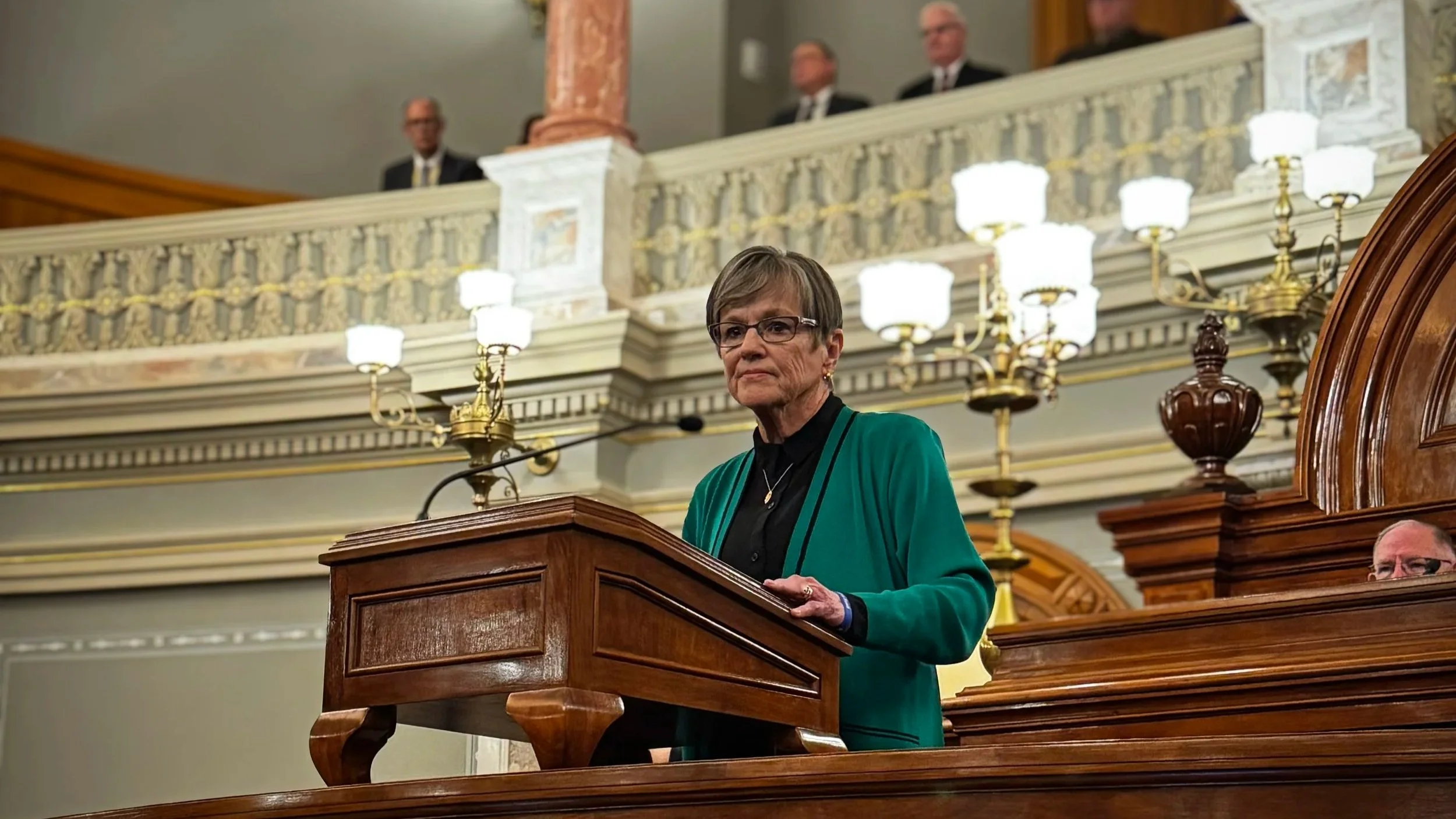
“This is poorly drafted bill with significant, far-reaching consequences,” Gov. Kelly said Wednesday. “Not only will this bill keep brothers from visiting sisters’ dorms and husbands from wives’ shared hospital rooms, it will cost Kansas taxpayers millions of dollars to comply with this very vague legislation. It is nothing short of ridiculous that the Legislature is forcing the entire state, every city and town, every school district, every public university to spend taxpayer money on a manufactured problem. Kansans elected them to focus on education, job creation, housing and grocery costs.”
The bill
House Substitute for SB 244 would require Kansas government buildings to designate multi-occupancy private spaces, such as restrooms, locker rooms and changing rooms, as either male or female. Individuals would have to visit the facility that matches their biological sex at birth.
Criminal and civil penalties could be imposed for violations. Government entities that fail to comply would face civil penalties of $25,000 for a first violation and $125,000 for subsequent violations. Individuals who enter spaces designated for the opposite sex could receive written warnings for a first offense, $1,000 fines for a second offense, and misdemeanor charges for third or subsequent violations. The bill also provides a civil cause of action for monetary damages and attorney fees against violators by individuals harmed or aggrieved by the invasion of privacy.
The bill includes exceptions for allowing people to enter opposite-sex spaces for custodial work, maintenance, medical emergencies, assisting someone who needs help, law enforcement purposes, or safety threats. Coaching and athletic training may also enter during athletic events provided they ensure no individual of the opposite sex is in a state of undress prior to entering. Originally, the bill permitted children under 12 to enter opposite-sex spaces when accompanied by a caregiver, but amendments lowered that age to 9.
The legislation also mandates that any driver's license or birth certificate issued before July 1, 2026, that lists a sex or gender designation inconsistent with the person's biological sex at birth will be invalidated. State agencies must correct their records and reissue documents with the biological sex designation.
The history of the bathroom bill
On Jan. 26, the House Committee on Judiciary voted to rework House Bill 2426, which would require Kansas drivers to use their biological sex at birth on their driver’s licenses and birth certificates. Garden City Rep. Bob Lewis authored the bathroom amendment shortly after the committee began working on HB 2426.
In a procedural “gut and go,” the committee inserted both the driver’s license and restroom provisions into Senate Bill 244, creating House Substitute for Senate Bill 244.
Typically, the legislative process includes public hearings on bills, giving Kansans — both supporters and opponents — the opportunity to weigh in. That didn’t happen with the “bathroom bill” language.
The Kansas House and Senate on Jan. 28 approved the bill, and it went to Gov. Laura Kelly on Feb. 3. She vetoed it on Feb. 13.
What’s next?
The bill becomes law upon publication in the Kansas Register. The Kansas National Education Association (KNEA) anticipates legal challenges to its enforcement.
Stay updated at www.ksutd.org.
Ann Marie Bush can be reached by email at ann.bush@knea.org.